Priest Theater
Restoration Initiative
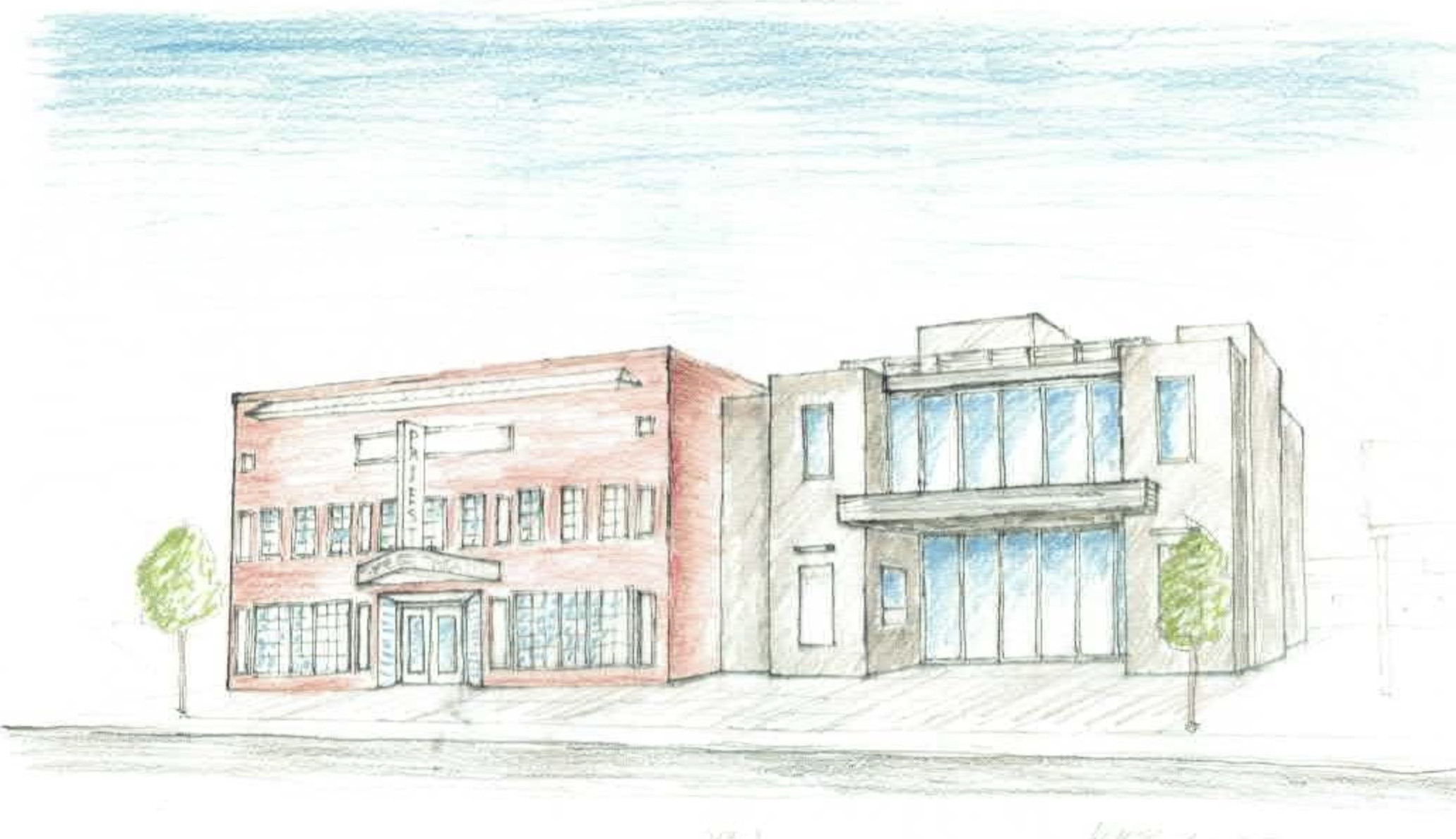
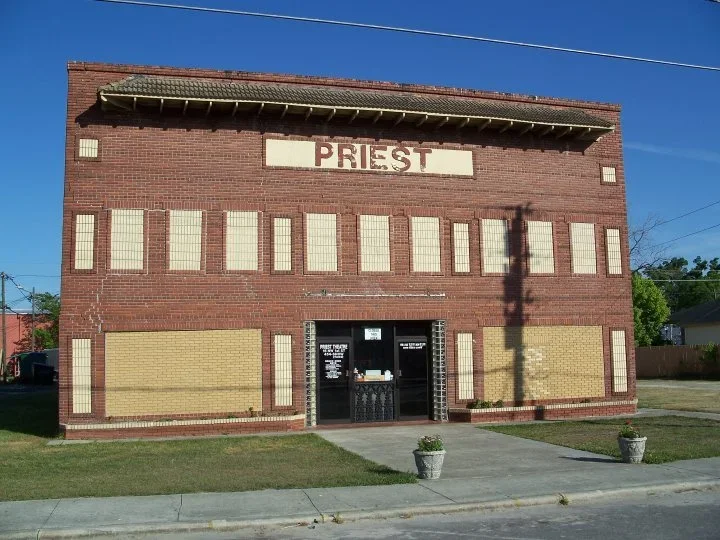
The Priest Theater Restoration Initiative, supported by The Heart of High Springs, is an effort to restore, expand, and reactivate one of Florida’s most historic small theaters. Built in 1910 and long cherished as a cultural anchor of downtown High Springs, the Priest now stands at a decisive moment: stabilized through grant-funded work (including a new roof), yet still unusable without further restoration.
What the City and residents gain—tangibly and emotionally
A restored, professionally operated Priest Theater produces community returns that a vacant building never will:
Quality of life (the part people feel)
Community pride and identity: saving the Priest signals that High Springs invests in itself.
Social connection: shared events build bridges across age groups and backgrounds.
Youth opportunity: education programs, camps, performances, and internships give kids a stage and a reason to engage locally.
A safer, livelier downtown: consistent evening activity creates “eyes on the street” and makes the district feel alive.
Economic vitality (real dollars, local impact)
Recurring foot traffic: events create predictable surges that help restaurants, shops, and bars plan staffing, inventory, and hours.
Visitor spending beyond tickets: audiences eat, shop, and linger—turning “a night out” into a downtown ecosystem.
More reasons to stay local: residents who currently drive to Gainesville for entertainment spend those dollars in High Springs instead.
A stronger business environment: consistent activity supports new business starts and stabilizes downtown investment.
Job creation: part-time and full-time work in operations, marketing, technical support, hospitality, and contract services.
City strength (without raising taxes)
A healthier downtown tax base over time: thriving businesses generate stronger sales activity and property stability.
Grant competitiveness: a credible plan makes High Springs more attractive to cultural, Main Street, and placemaking dollars.
Risk reduction: activation reduces blight, vandalism, deterioration, and ongoing “carrying costs” associated with dormant properties.
This is why communities restore historic theaters: not because they’re nostalgic, but because they work—as economic multipliers and anchors of civic life.


Why “sell for cash” is the wrong benchmark
Restoring the Priest is not a cost—it’s a catalyst.
Right now, the public conversation has understandably narrowed to a single question:
“The City needs cash—should we sell the theater?”A sale may produce a short-term check, but it also risks:
Losing public influence over the building’s future
Missing the chance to create a lasting downtown anchor
Leaving High Springs with nothing to replace what the Priest could generate each year in commerce, identity, and community life
Selling the Priest is a one-time transaction. Restoring it is a long-term economic engine and community asset—one that can generate recurring benefits for local businesses, strengthen the downtown core, and rebuild civic pride without placing a financial burden on taxpayers.
A plan grounded in evidence, best practices, and local input
The Heart of High Springs is approaching this effort with care, responsibility, and proven guidance. Over the past two years, we have collaborated with national leaders in historic theater restoration and operations, including the League of Historic American Theaters (www.LHAT.org). Through this engagement, we’ve gained firsthand insight from successful venues and industry experts in restoration, design, programming, and long-term sustainability.
To ensure decisions are grounded in evidence, we have commissioned a comprehensive feasibility and economic impact study by Johnson Consulting, a nationally recognized firm with extensive experience planning cultural and civic venues. As part of this process, Johnson Consulting will meet with local stakeholders and gather community input to evaluate market potential, audience reach, operational models, capital needs, and the projected economic benefits to High Springs and the surrounding region.
“This feasibility and economic impact study is already underway, with an estimated cost of $35,000, funded entirely by private local donors through The Heart of High Springs—supporting an informed, responsible decision about the Priest’s future.”
Conceptual drawing showing an addition to the existing building.
Illustration by: Will Shepler